Usage
Pairing: Spaghetti Bolognese, ratatouille, yakitori, baked halibut fillet.
Serving temperature: At room temperature or warm (15°-55°)
Alcohol is dangerous for health, to be consumed with moderation. Alcohol should not be consumed by pregnant women. The sale of alcohol is prohibited to minors. You certify that you have the legal age required and the legal capacity to purchase on this Internet site.
Alcohol is dangerous for health, to be consumed with moderation. Alcohol should not be consumed by pregnant women. The sale of alcohol is prohibited to minors. You certify that you have the legal age required and the legal capacity to purchase on this Internet site.
Drinks
Alcohol
Cocktails
Japanese sakes
Maibijin Junmai Sake 720 ml (15.5% vol.)
Maibijin Junmai Sake 720 ml (15.5% vol.)Regular price
35,10 €
Regular price
Sale price
35,10 €
Unit price
per
Ref. {{ sku }}: Ref. 393
In stock

Description
Description
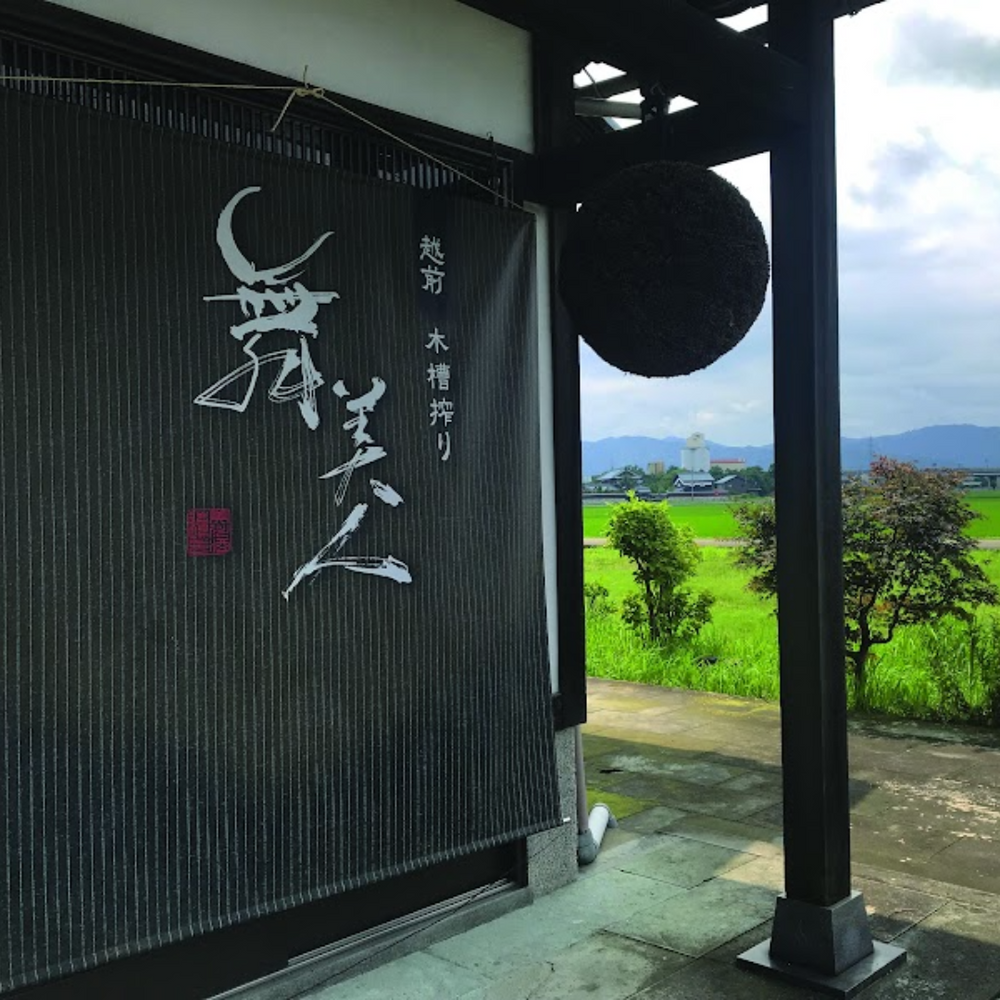
Maibijin Junmai sake is produced in the Fukui region. It is brewed from 60% polished Akisakari rice, water, and koji, without the addition of alcohol. Maibijin Junmai sake is designed to accompany everyday meals.
Alcohol content: 15.5°
Flavor
Flavor
Preservation
Preservation
Ingredients & Allergens
Ingredients & Allergens
Nutritional Values
Nutritional Values

Usage
Pairing: Spaghetti Bolognese, ratatouille, yakitori, baked halibut fillet.
Serving temperature: At room temperature or warm (15°-55°)
Alcohol is dangerous for health, to be consumed with moderation. Alcohol should not be consumed by pregnant women. The sale of alcohol is prohibited to minors. You certify that you have the legal age required and the legal capacity to purchase on this Internet site.
Alcohol is dangerous for health, to be consumed with moderation. Alcohol should not be consumed by pregnant women. The sale of alcohol is prohibited to minors. You certify that you have the legal age required and the legal capacity to purchase on this Internet site.
Drinks
Alcohol
Cocktails