A revisited and fruity version! A fresh soba salad with raspberries, aromatic herbs, and a sweet and savory miso dressing.
-
 New In
 -
 New In
Usage
Ideal for preparing miso soups, sauces, or marinades, simply incorporate it directly into your dishes to add depth and umami. Just dilute 15g of miso in 150ml of hot water for a quick and tasty bowl of miso soup.

Soups
Miso
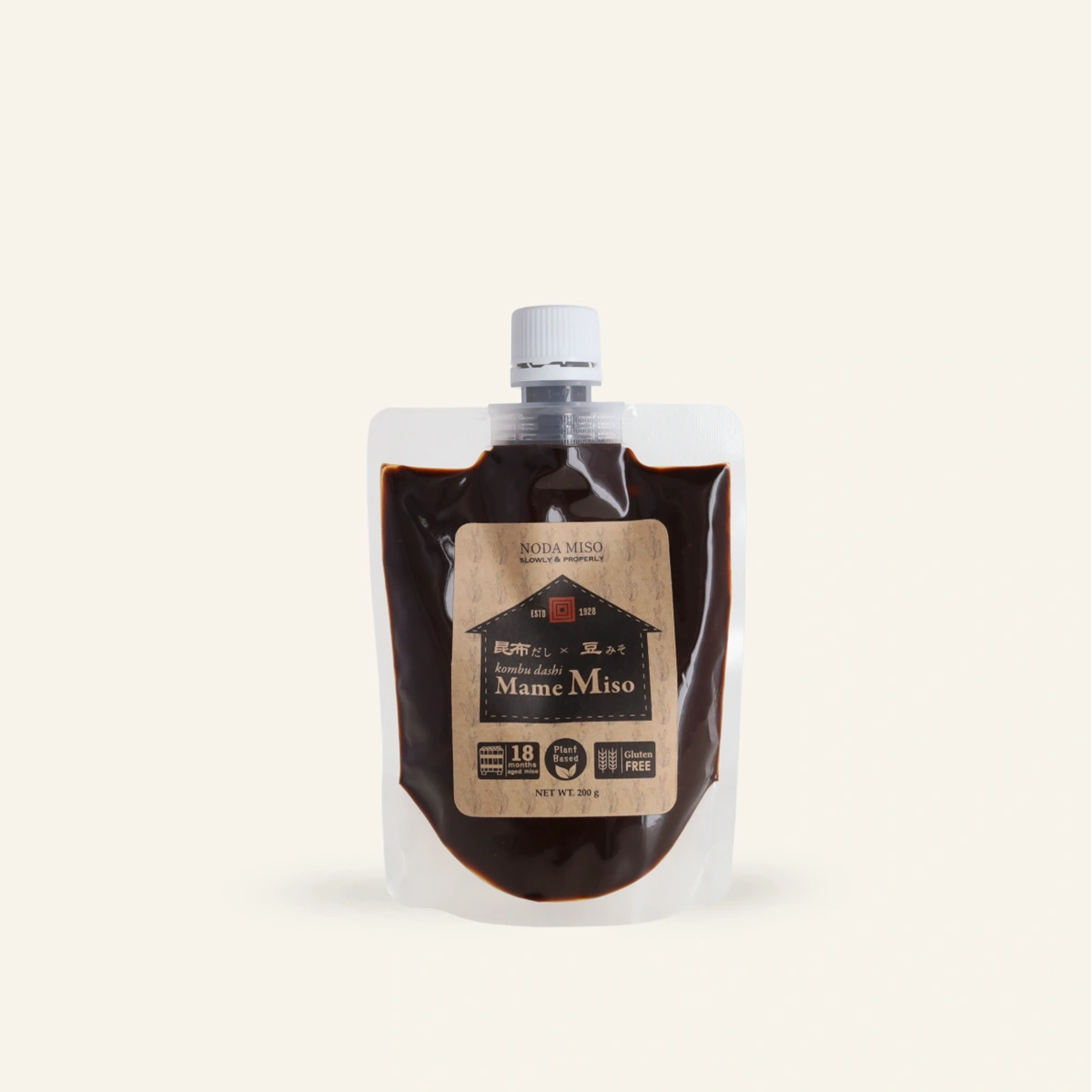
Mame miso - Miso matured in dashi (Japanese broth) 200 g
Mame miso - Miso matured in dashi (Japanese broth) 200 gRegular price
6,50 €
Regular price
Sale price
6,50 €
Unit price
32,50 €
per
kg
Ref. {{ sku }}: Ref. 794
In stock

Description
Description
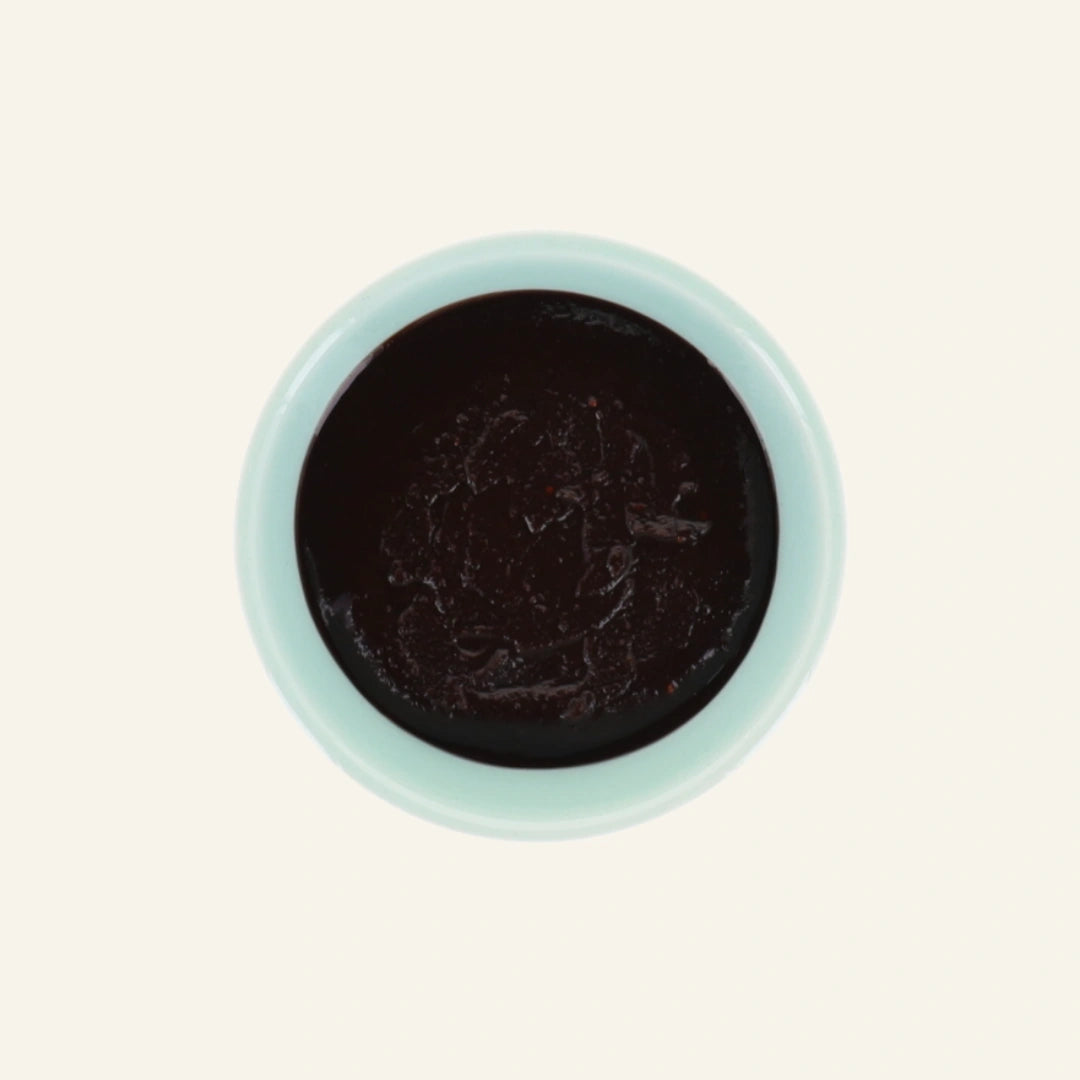
Mame Miso with dashi is a 100% natural miso, made from wood-aged soybean miso and Hokkaido kombu, known for its richness in umami. Its long and natural fermentation develops a deep and elegant taste, combining the power of soy with the delicate marine flavor of kombu.
Like the vast majority of quality misos, this miso is unpasteurized: the salt and organic acids from fermentation naturally ensure preservation and maintain the integrity of the aromas.
Flavor
Flavor
Preservation
Preservation
Ingredients & Allergens
Ingredients & Allergens
Miso (Soybeans (29.47%), Water (21.04%), Salt (6.19%), Kinako (roasted soybean flour) (0.3%), Koji (0.0057%)) (57%), Water (25.85%), Kombu dashi stock (Kombu extract, Reduced starch syrup, Salt, Yeast extract, Water, Alcohol, Stabilizer (E415)) (8.15%), Sugar (6%), Alcohol (2%), Salt (1%)
Allergenes :
Soy
Nutritional Values
Nutritional Values
Usage
Ideal for preparing miso soups, sauces, or marinades, simply incorporate it directly into your dishes to add depth and umami. Just dilute 15g of miso in 150ml of hot water for a quick and tasty bowl of miso soup.
Soups